


Gum disease, also known as periodontal disease, is one of the most common oral health issues, affecting nearly half of adults worldwide. Often silent in its early stages, gum disease can lead to serious dental problems if left untreated, including tooth loss. Understanding the causes, symptoms, and treatment options can empower you to take control of your gum health and maintain a healthy, confident smile.
What Is Gum Disease?
Gum disease is an infection of the tissues that support your teeth. It begins with plaque, a sticky film of bacteria that forms on your teeth. When plaque isn’t removed through regular brushing and flossing, it can harden into tartar, which irritates the gums and creates an environment for bacteria to thrive. Over time, this can lead to gum inflammation, bleeding, and even damage to the bone supporting your teeth.
Gum disease progresses in stages, starting with gingivitis and advancing to periodontitis if left untreated.
- Gingivitis: The earliest stage, characterized by red, swollen gums that may bleed easily when brushing or flossing. At this stage, gum disease is reversible with proper oral hygiene and professional cleanings.
- Periodontitis: If gingivitis is not treated, it can progress to periodontitis. In this stage, the gums begin to pull away from the teeth, forming “pockets” that collect food and bacteria. These pockets can deepen over time, leading to bone and tissue loss, which can eventually result in tooth loss.
Causes of Gum Disease
Several factors contribute to the development of gum disease:
- Poor Oral Hygiene: Inconsistent brushing and flossing allow plaque to accumulate on your teeth, leading to gum inflammation and infection.
- Smoking and Tobacco Use: Tobacco use is a major risk factor for gum disease and can hinder treatment success.
- Hormonal Changes: Changes in hormones, such as those during puberty, pregnancy, or menopause, can make gums more sensitive and susceptible to gum disease.
- Medical Conditions: Certain conditions like diabetes, HIV/AIDS, and autoimmune diseases can increase the risk of gum disease.
- Medications: Some medications reduce saliva production, making it easier for plaque to build up.
- Genetics: Some people may be more genetically prone to gum disease, regardless of oral hygiene practices.
Symptoms of Gum Disease
Gum disease is often painless in the early stages, which is why it’s important to be aware of the subtle signs. Common symptoms include:
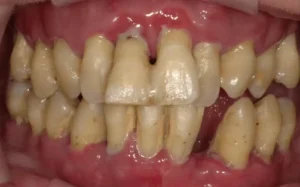
- Red, swollen, or tender gums
- Bleeding during brushing or flossing
- Receding gums, causing teeth to appear longer
- Persistent bad breath
- Loose teeth or changes in how your teeth fit together
If you experience any of these symptoms, it’s important to consult your dentist for an evaluation.
Preventing and Treating Gum Disease
The best way to prevent gum disease is to practice good oral hygiene:
- Brush Twice Daily: Use a soft-bristled toothbrush and fluoride toothpaste to clean your teeth and gums gently.
- Floss Daily: Flossing removes food particles and plaque from between teeth, where a toothbrush can’t reach.
- Visit Your Dentist Regularly: Professional cleanings every six months help remove plaque and tartar buildup, preventing gingivitis from progressing.
- Quit Smoking: Quitting smoking or reducing tobacco use can significantly lower your risk of developing gum disease.
In cases where gum disease has advanced, your dentist may recommend various treatments, such as:
- Scaling and Root Planing: A deep-cleaning procedure that removes plaque and tartar from below the gumline and smooths the root surfaces to promote healing.
- Medications: Antibiotic mouthwashes or gels may be used to control bacterial infection.
- Surgical Options: In severe cases, surgery may be needed to reduce pocket depths or regenerate lost bone and tissue.
Final Thoughts
Gum disease is preventable and treatable, especially when caught early. By prioritizing good oral hygiene and regular dental visits, you can keep your gums and teeth healthy for life. If you notice any signs of gum disease, don’t wait—schedule a dental check-up to take the first step toward improved oral health. Your smile is worth it!